Chapter 1 / 4
Rivers, language and the Tibetan connection
Baltistan is a region of connected valleys, not simply the surroundings of Skardu airport. The Indus and its tributaries make corridors through otherwise formidable mountains. Shigar approaches the Indus from the north; the Shyok links the Khaplu area with lands farther east. These river systems help explain why different valleys developed distinct centres of power while remaining involved in one another’s affairs.
The Balti language belongs to the Tibetic linguistic world. Older Buddhist remains and connections with neighbouring Ladakh add other evidence of this shared past. The historical expression Little Tibet refers to that relationship, but it is an incomplete description of a society shaped by many later connections. Modern Balti identity cannot be reduced to either Tibetan ancestry or one religious label.
Farming concentrated where water and cultivable ground could be brought together. Apricot trees, terraces and irrigation channels are therefore part of the historical landscape. Nineteenth- and early twentieth-century descriptions record fruit drying on roofs, cultivated pockets amid bare slopes, and the importance of moving through river valleys. Their observations can help reconstruct everyday practices, although their racial categories and assumptions about civilised and uncivilised peoples should be rejected.
The earliest periods are less securely documented than later court and travel records. Archaeological traces, language, oral tradition and written chronicles answer different questions. A carved rock can establish the presence of an artistic or religious tradition; it does not by itself provide a complete political history of every village around it. The region is best approached as a layered historical landscape, with some well-documented episodes and other questions still open.
Chapter 2 / 4
Valley kingdoms and changing beliefs
Before nineteenth-century conquest, power in Baltistan was distributed among valley dynasties. The Maqpons were associated with Skardu, the Amachas with Shigar and the Yabgos with Khaplu. Their histories intersect through competition, alliance and marriage. A single list of kings of Baltistan can conceal this political variety.
Ali Sher Khan Anchan is one of the best-known figures in the regional narrative. His expansion and dealings with Ladakh belong to the era when Skardu’s rulers exercised influence beyond their immediate valley. Later disputes among successors created opportunities for intervention from Kashmir and the Mughal court. Imperial connections were consequently not just distant influences; they could become resources in local struggles for authority.
Religion also changed through networks rather than one instantaneous event. Muslim scholars and Sufi traditions connected Baltistan with Kashmir and the Iranian world over several centuries. Accounts differ over particular journeys and foundation dates, so stories about a single preacher converting an entire region on one day should be treated cautiously. Shia and Nurbakhshi histories are especially important to understanding the region, alongside other Muslim communities.
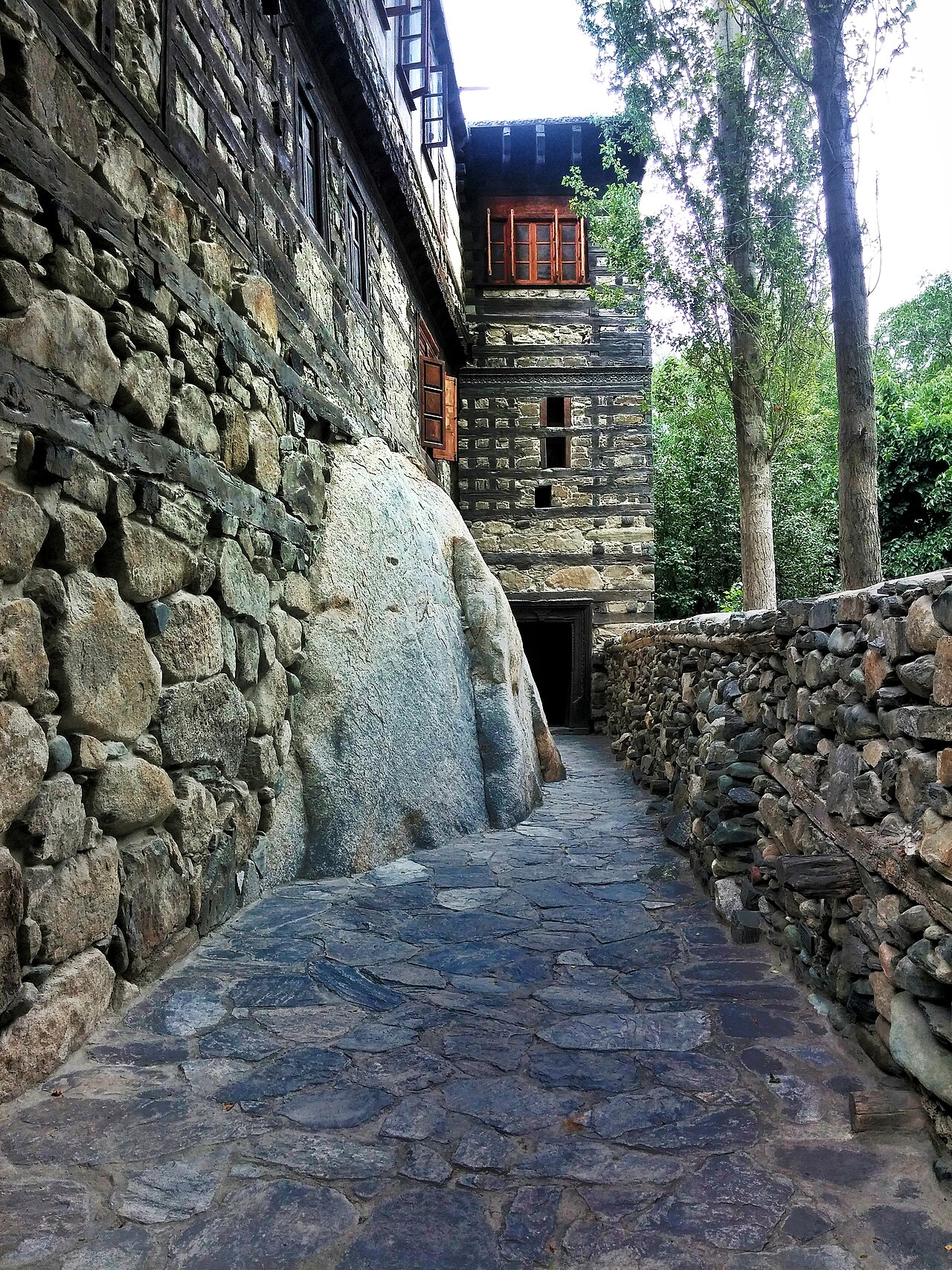
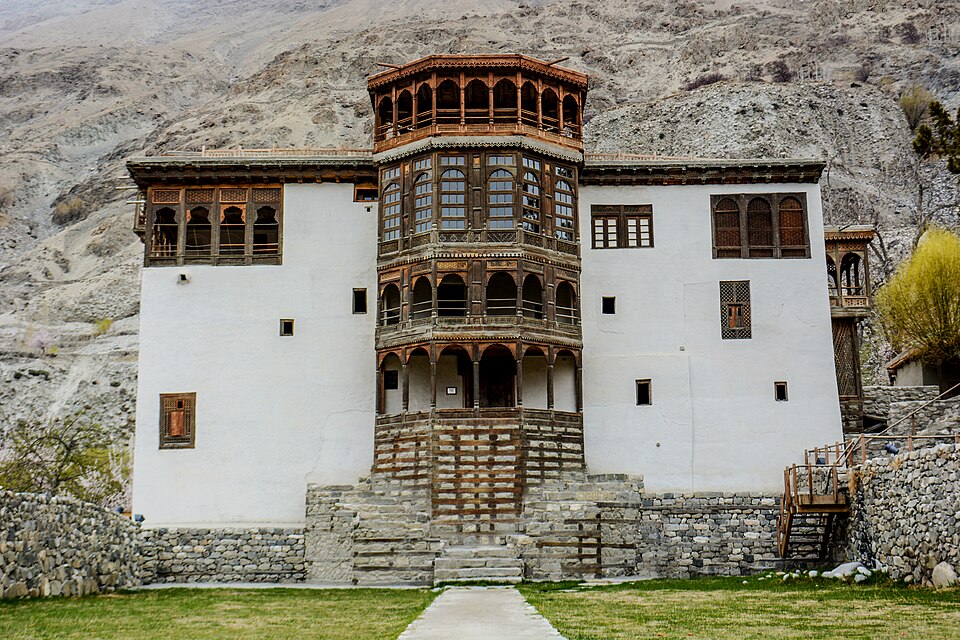
Architecture offers a way to observe both continuity and change. Timber craftsmanship and local building forms did not disappear when beliefs changed. Mosques, khanqahs and palaces could use skills already embedded in the region while giving them different purposes. A historian therefore asks more than how old a building is: who commissioned it, who built it, how it was used, and which communities remember it are equally revealing questions.
Chapter 3 / 4
Conquest, partition and a divided mountain world
The Dogra expansion into Baltistan in 1840 changed the framework in which local rulers operated. Zorawar Singh’s campaign, undertaken in the service of Gulab Singh of Jammu, brought the region under a wider state-building project. The rulers of individual valleys did not all simply vanish, but their room for independent action contracted. Tribute, administration and military demands now connected local life more directly to external authority.
Older accounts place these events alongside the conquest of Ladakh and the disastrous Dogra expedition into Tibet. That wider sequence is useful: the campaign in Baltistan was part of an attempt to control a much larger mountain zone. It should not be mistaken for an isolated quarrel at one fort. Nor should the narrative be told only as a contest between commanders, without considering the settlements that supplied armies and endured their movement.
By the time of the partition of British India in 1947, Baltistan was within the princely state of Jammu and Kashmir. The fighting of 1947–48 brought Skardu and surrounding areas under Pakistani administration. This history is connected to the unresolved Kashmir dispute; the older travel world linking Baltistan and Ladakh was divided by conflict and new boundaries. Families, trade and movement were affected as well as governments.
Present-day journeys cannot recreate those earlier routes simply by drawing a line on a map. Historical connections and present access are different things. For reading the landscape, however, remembering the old networks is valuable: places now presented as remote endpoints were often part of wider circuits of travel, exchange and political ambition.
Chapter 4 / 4
Heritage that people still use
The best-known conservation projects in Baltistan join architectural repair to new uses. Shigar Fort, a seventeenth-century building, was restored as a heritage guesthouse. Khaplu’s nineteenth-century palace likewise became a place where conservation and hospitality could support one another. These projects raise a practical question: how can an expensive historic building remain cared for after the restoration team leaves?
The answer is not simply to preserve palaces. Shigar’s wider conservation work also addressed village infrastructure and local crafts. A restored building depends on a settlement that can continue living around it. Water, sanitation and skilled employment may be less photogenic than a carved balcony, but they are part of the same historical responsibility.
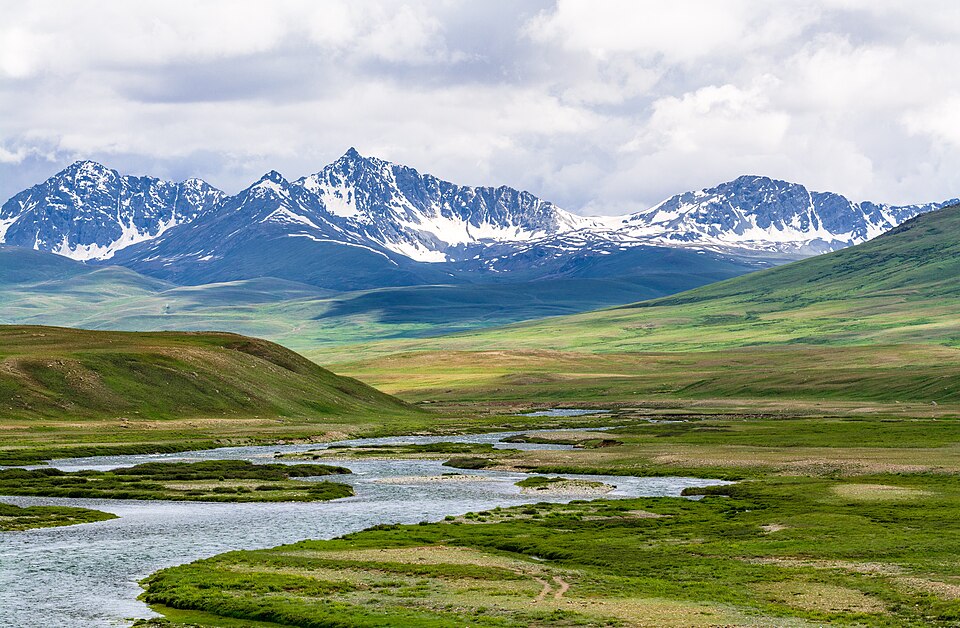
Deosai extends the story from built heritage to environmental history. The high plateau became a national park in 1993, with protection of the Himalayan brown bear as a central purpose. Pakistan later submitted it to UNESCO’s Tentative List. A tentative listing is a proposal for consideration, not inscription as a World Heritage Site. Conservation here concerns habitat, wildlife and the effects of human use, rather than keeping one monument intact.
Baltistan’s living culture is also carried in language, music, stories, food and family memories. This overview cannot speak for every valley or community. Its purpose is to give a visitor a reliable framework: river-linked settlements, distinct dynasties, gradual religious change, conquest and partition, and present-day decisions about heritage. The next step is to listen locally. A guide’s explanation of a neighbourhood, a museum label or a resident’s memory can bring the scale down from a region’s history to the life of a particular place.